Silence and Cedar: The Morning Rituals of Northern Kyoto
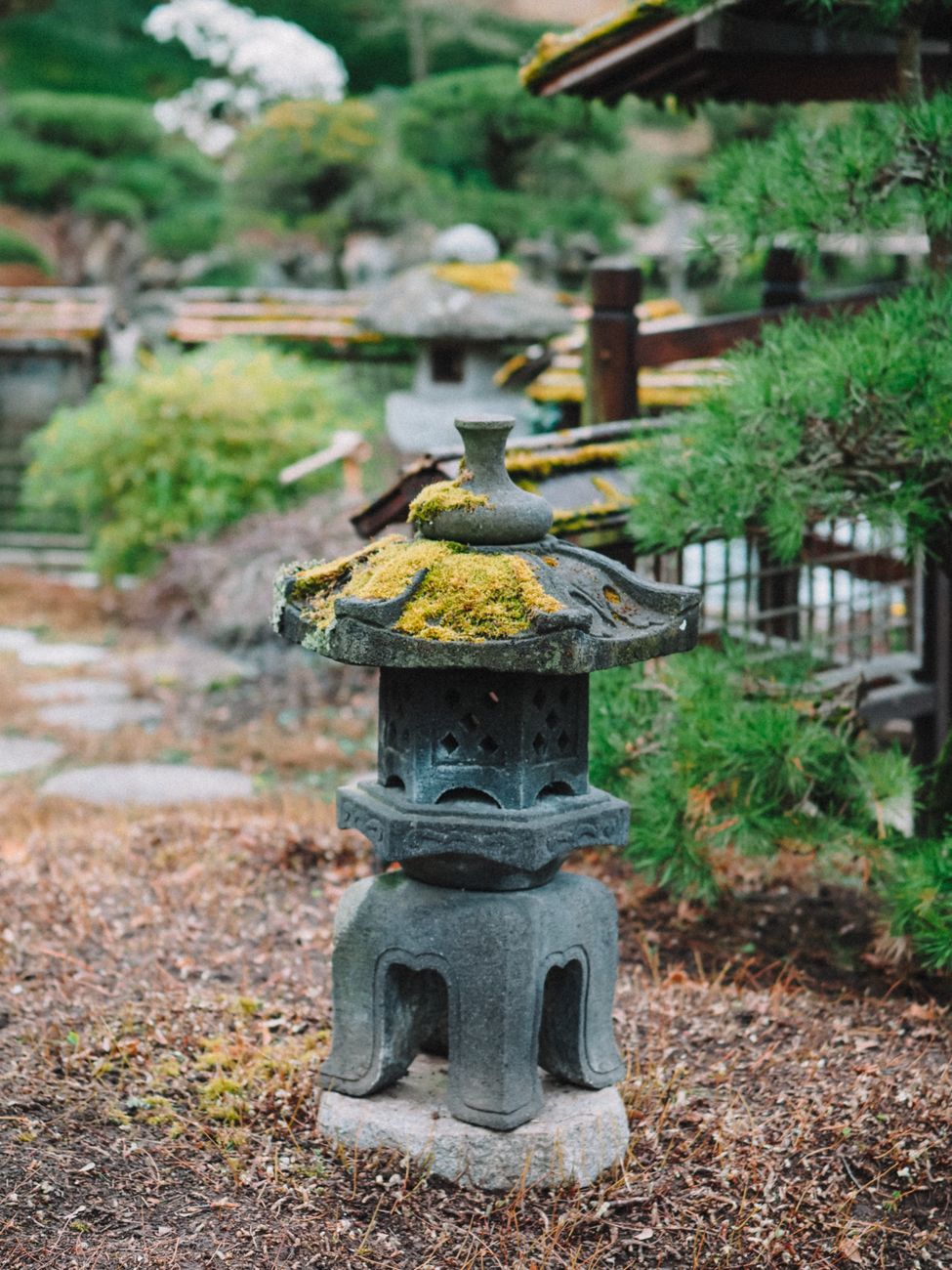
"In the foothills north of the Kamogawa river, sunrise does not arrive with commotion, but through the gentle parting of cedar mist."
The Tactile Universe of Machiya Stays
Stepping barefoot onto fresh tatami mats in a historic machiya townhouse instantly resets one’s emotional frequency. The faint scent of rush grass (igusa) paired with polished hinoki cypress evokes a sense of timeless balance that modern glass hotels cannot replicate.
Kyoto’s traditional architecture is fundamentally an aperture for observing nature: sliding shoji screens filter autumn dawn into soft diffused light, framing small interior tsuboniwa gardens where drops of condensation gather on emerald moss cushions.
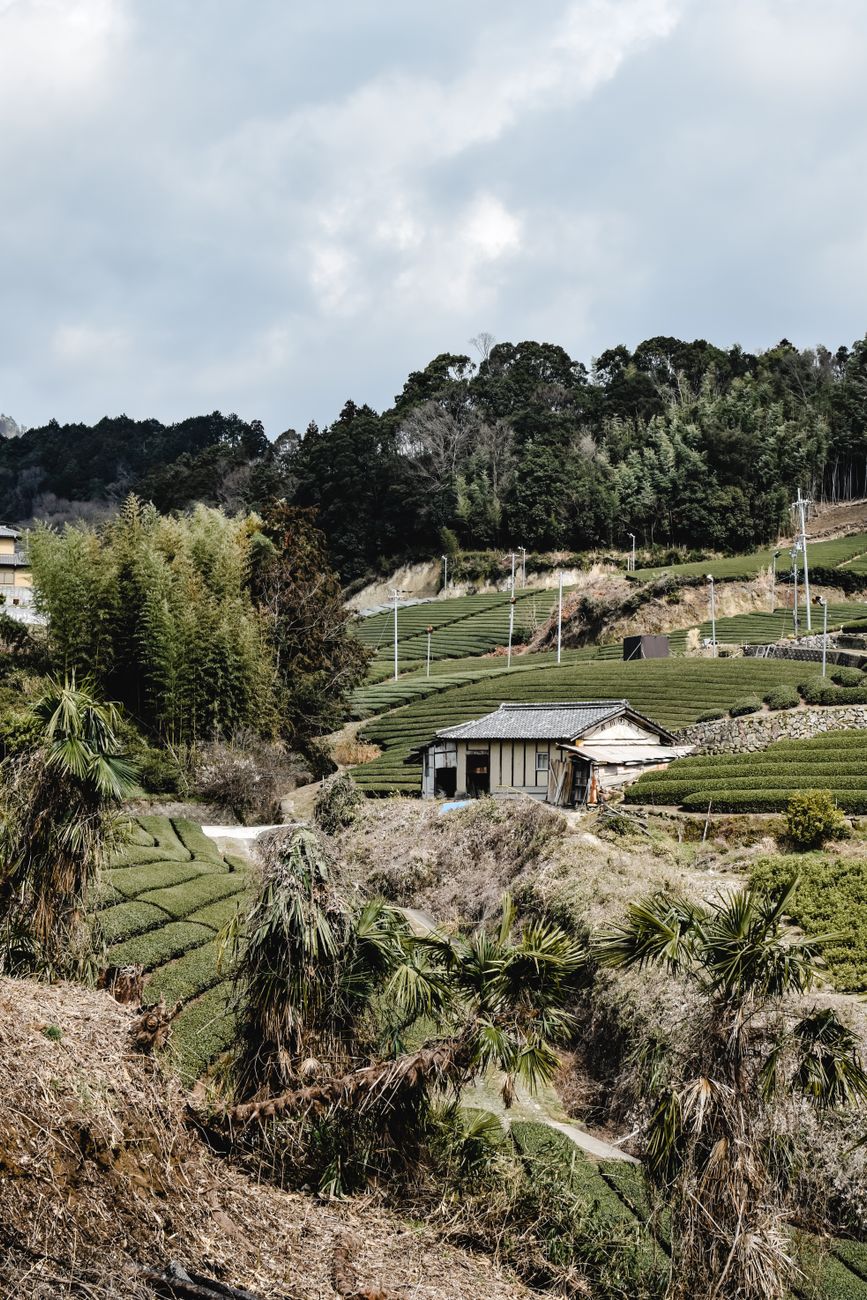 Morning contemplation in a private Kurama teahouse sanctuary.
Sado: The Discipline of Presence
In Northern Kyoto’s quiet Daitoku-ji sub-temples, the tea ceremony is practiced not as an empty display, but as an active exercise in mindfulness. Every deliberate motion—the wiping of the ceramic chawan, the whisking of shaded Uji matcha into a fine jade froth—demands total attendance to the present heartbeat.
- Wabi-Sabi Aesthetics: Cherishing the imperfect glaze and wood grain shaped over decades of patient human care.
- Shojin Ryori Cuisine: Temple meals featuring sesame tofu, pickled wild burdock, and seasonal mountain vegetables prepared with spiritual reverence.
- The Rhythm of Morning Sweeping: Listening to monks sweep gravel paths before dawn creates an unmatched meditative stillness.
Beyond the Central Corridors
While southern temples often suffer from heavy footfall, embarking early to Ohara or Takao allows travelers to walk beneath ancient Japanese maples in complete quiet. The conversation turns to wind through bamboo branches and the melodic chime of monastery bells.
Plan a Mindful Exploration of Japan
Allow our specialists to coordinate authentic ryokan stays, private ceramic master classes, and secluded temple visits.
Initiate Advisory Inquiry